The road to nationals
starts today
Your month-by month guide to feeding, fitness and preparation, packed with practical advice and expert insights, to help you strive for greatness. Whether your goal is to represent your state at Nationals in 2027, or you are looking at trying competitions for the first time, the Health Hub has information fit for all!
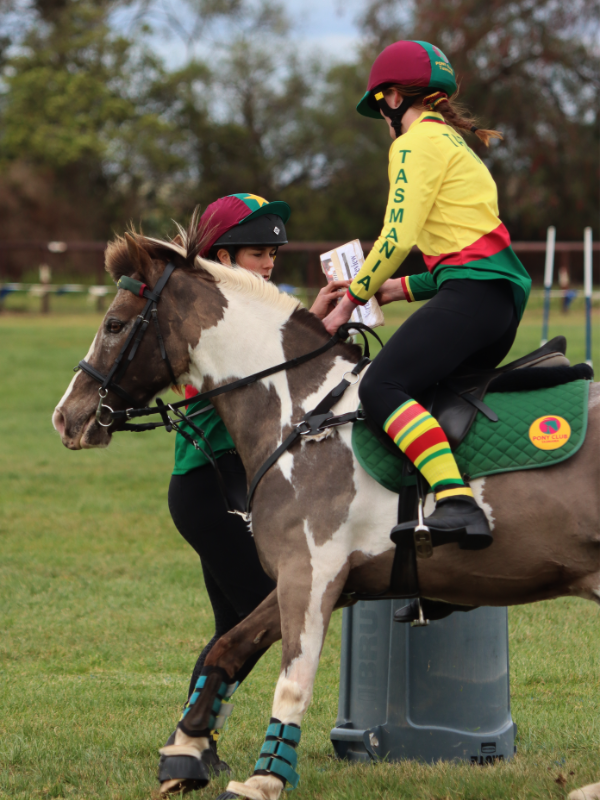
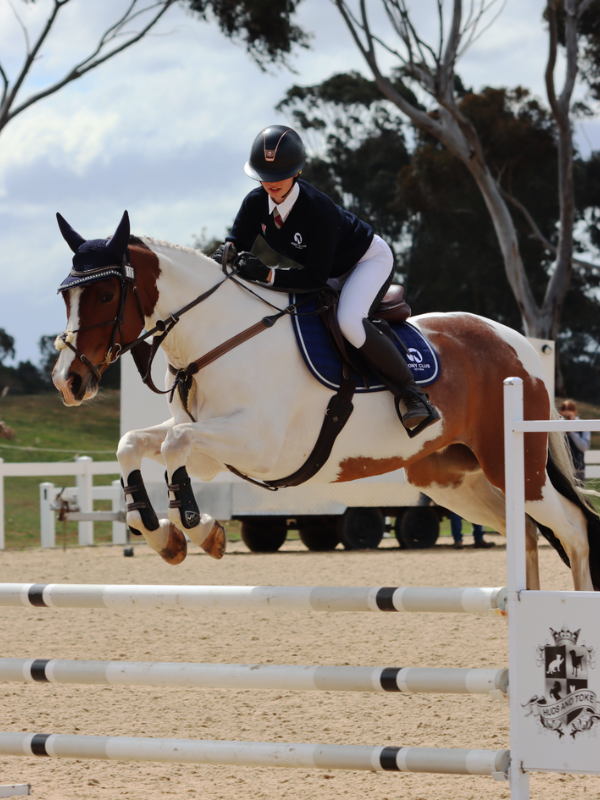
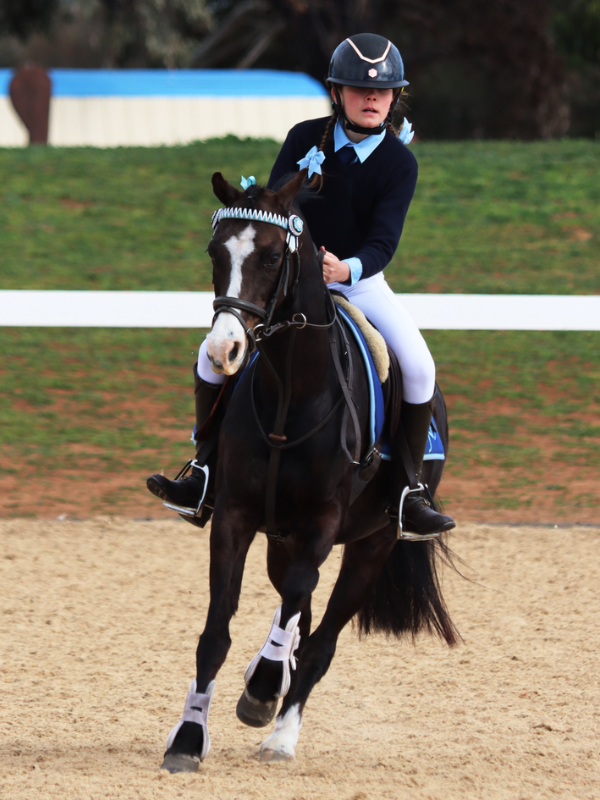
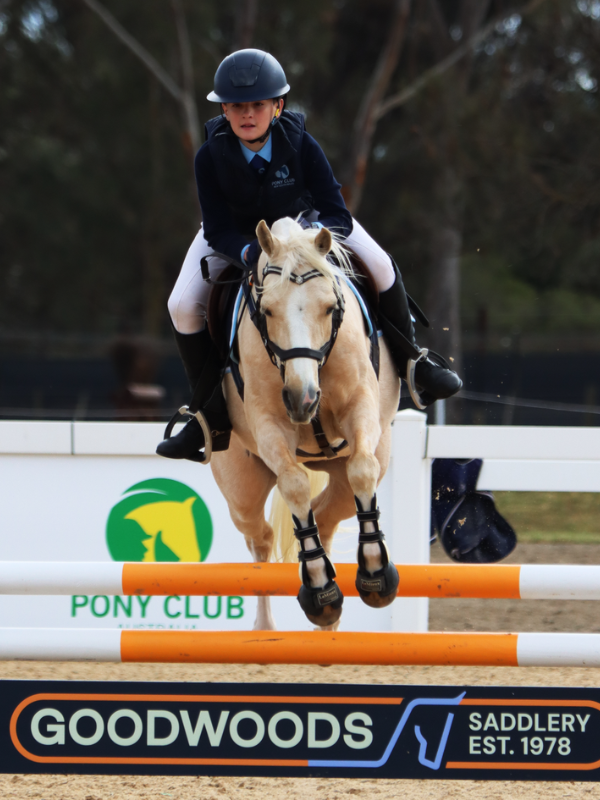
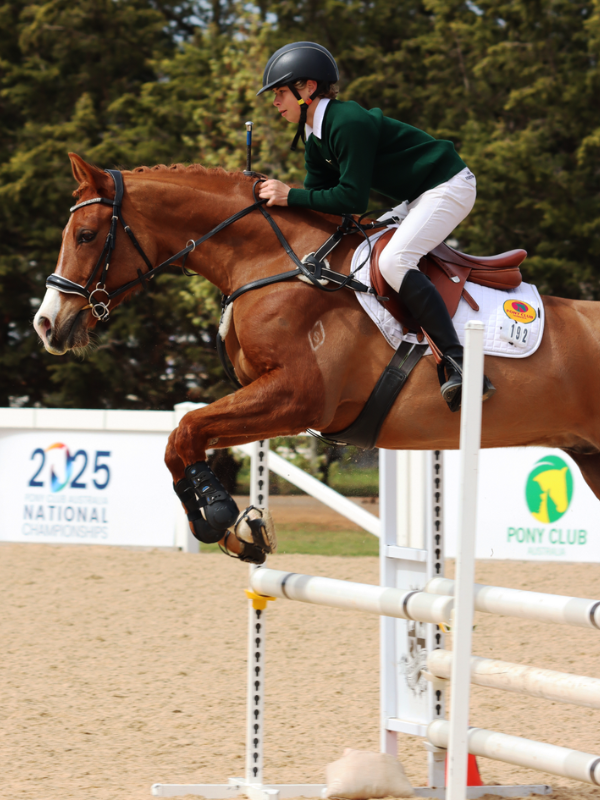
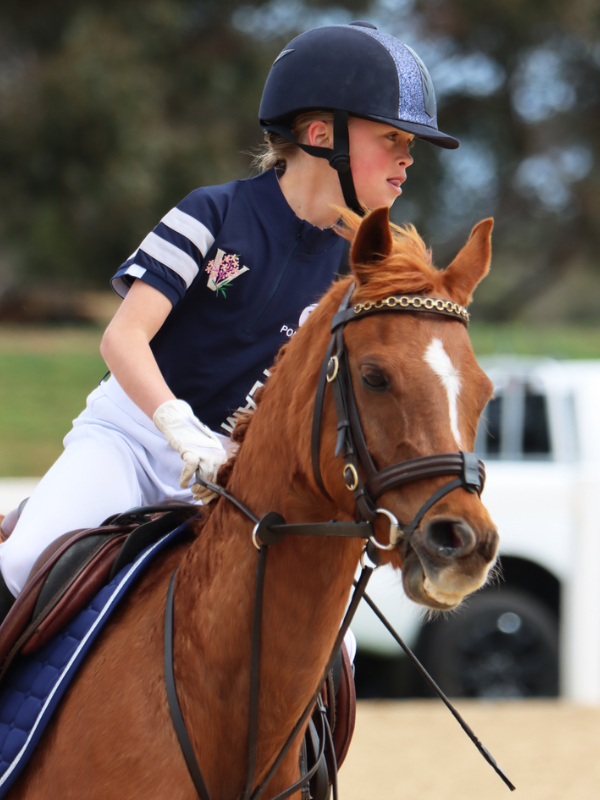
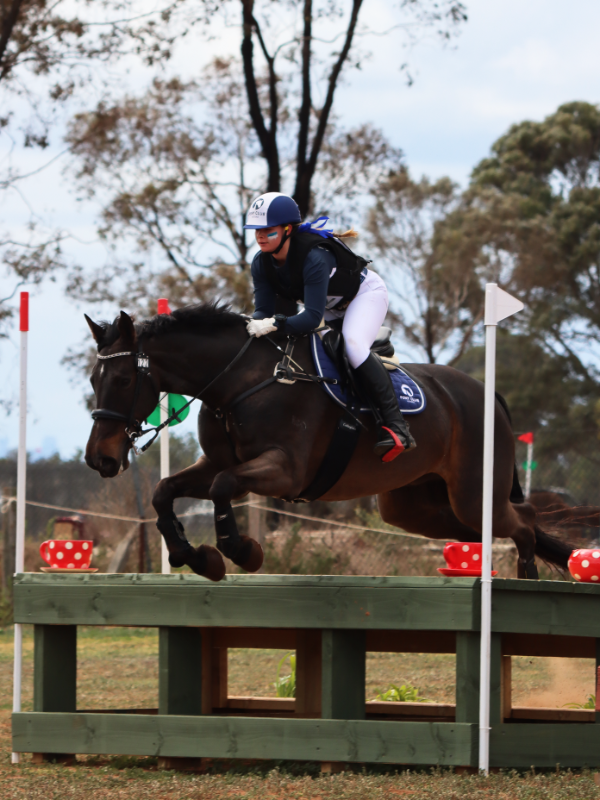
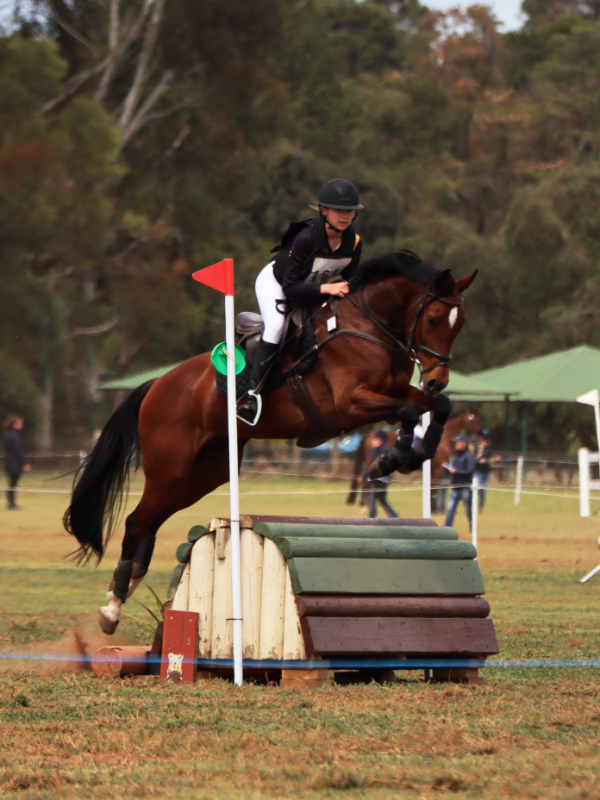
One theme a month, all the way to the start line
From October through to the Nationals, we're walking alongside pony club riders and their horses with practical, feed and fitness focused content each month. Follow the road below to see what's coming and when.
Start where you are
Every horse and rider begins the road from a different point. This month is about assessing the horse in front of you, understanding their current condition and workload, and setting realistic goals before changing feed, supplements or training.
Assessing the horse in front of you
What does my horse weigh?
Knowing your horse's weight is important for determining proper feeding requirements, monitoring overall health and condition, as well as defining correct dosage rates of medications and supplements. There are three ways that we can work out our horse weight: scales, a weight tape, or a weight calculation. If your horse has recently been to the vet, you may have a recent weight recorded from a set of equine scales. Alternatively, you can use a weight tape or weight calculator at home to get a good approximation.
Estimate the weight of your horse with our quick calculator
The most precise method is using a scale, but if that's not available, the Ranvet Horse Weight Calculator provides an easy and reliable alternative. Follow the video above on "How to do a Weight Calculation" and input your results into the calculator below to determine their weight.
Enter measurements
Drag the sliders or type exact figures from your measuring tape.
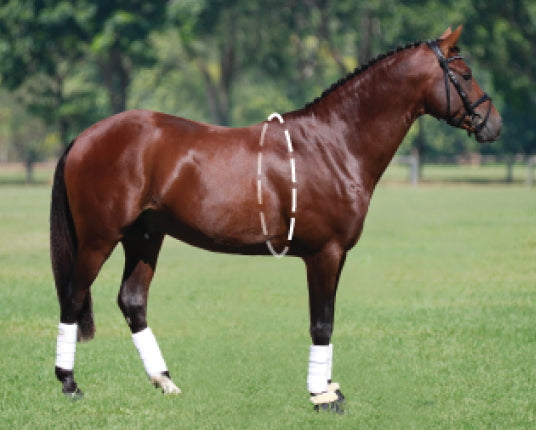
Step 1: Measure your horse's heart girth
Measure your horse's heart girth (circumference) by running the tape measure all the way around your horse 10cm (4") behind its front legs.
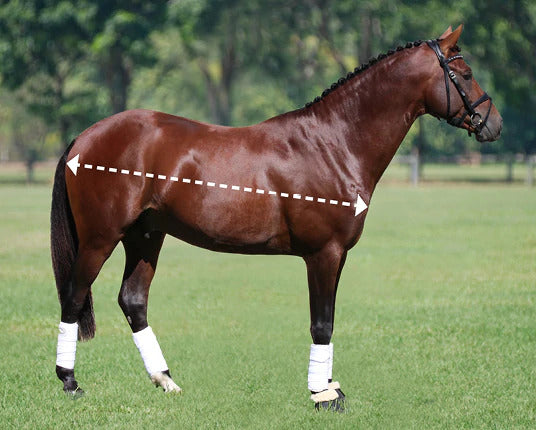
Step 2: Measure your horse's body length
Measure your horse's body length from the point of the shoulder to the point of the buttock in a straight line.
What is my horse's body condition score?
A Body Condition Score (BCS) is an objective ranking system to help determine your horse's overall condition and body coverage. BCS are non-invasive and easy to take. BCS can be recorded on a regular basis to assess any sudden or dramatic changes, which can be an indication of feed imbalances to workload, or further health conditions such as parasites or dental issues.
Download and print a copy of the PCA BCS chart, and keep it handy in your tack room. Practice BCS your horses regularly, and record in their health notes.
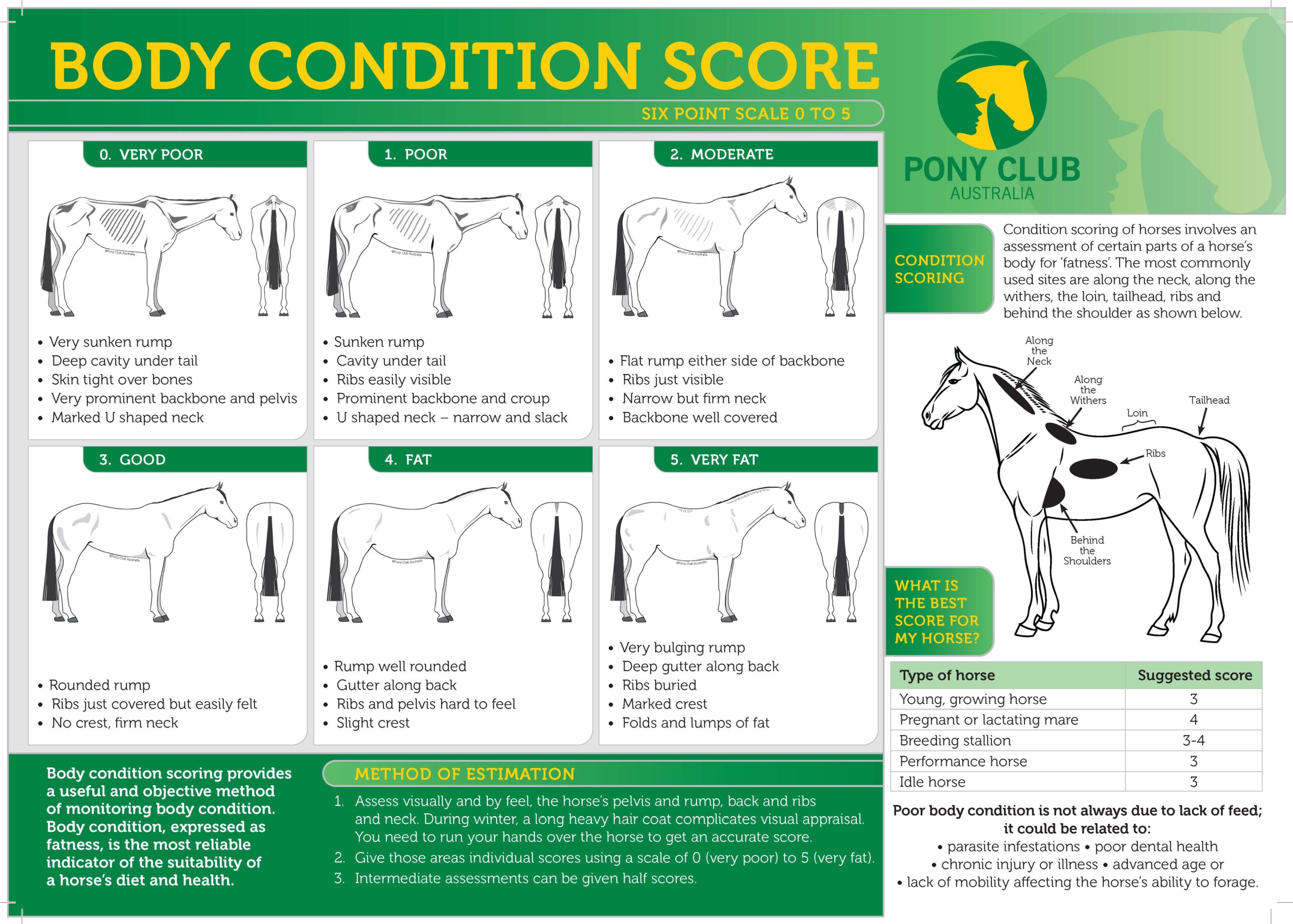 Download Body Score Chart
What is my horse's workload?
Everyone uses different terminology to assess their horse's workload. That is why we refer to the universal definitions set by the National Research Council. These definitions are used to set the appropriate nutritional specifications for horses in such levels of work.
Weighing out my horse's feed
Now we have done all the weighing of our horse, it's time to move to the feed! Weighing out the feed is the most accurate way to describe your horse's ration. Watch the video below for more details!
Feed weighing check list
- Set of scales
- A sturdy dipper, bucket or cup
- A notepad and pen
- Your horse's individual feed ingredients
What is a diet evaluation?
Not sure if your horse's diet is meeting their needs? Well now you have all the information a Ranvet nutrition specialist needs to accurately review your horse's current feeding program. Our nutrition team can make sure everything is looking in order, and recommend adjustments tailored to your horse's workload and condition.
Click the link below to fill out and submit your horse's details.
Ranvet Diet EvaluationAnd with that, you now have an assessment on where your horse is at currently! This will help us in future months with our planning and goal setting. Thanks for taking part in our October topic, we'll see you in November for the next one!
Hydration is an every day habit
Keeping horses hydrated is a year-round duty, however, the risk of dehydration is certainly elevated during the hot summer months. In this month’s Road to Nationals Health Hub topic, we learn all about hydration. We will look at ways to monitor hydration levels, signs and symptoms, prevention tools and the science behind dehydration, so that you can keep your horse feeling their best!
Keeping Horses Hydrated
Dehydration is used to describe the state where there is reduced, and potentially harmful, low water levels in the body. It is an ailment that can happen to every living thing, including humans and horses. To reach a point of dehydration means that the individual hasn’t consumed enough water to meet their needs, or replenish losses they have experienced.
In humans, overcoming this can be as simple as drinking some water. However, in horses its not as straight forward. Ever heard the saying you can lead a horse to water, but you can’t make it drink? Yep, its actually science, not just an old saying!
Unlike humans, horses don’t have a conscious thought process (or a parent!) telling them they need to drink some water, so they don’t feel unwell. Instead, they have a thirst reflex that is stimulated by salts and electrolytes. When salt levels are ideally balanced, our horses will maintain a steady drinking pattern. However, when salt levels become low, this can shut down the thirst reflex, and our horses may not drink.
But, that’s not the only important factor at play. Horses sweat is HYPERTONIC, a big word that simply means, very salty. Our horses sweat is made up of more salt than fluids, meaning that these precious salts that trigger our horses thirst reflex, are easily lost. This makes our horses more susceptible to suffering dehydration on hot days, when travelling, and especially after training or competition.
Method 1: Skin pinch test
A skin pinch test is the quickest and easiest way to check your horse’s hydration. The skin has an elastic state when well hydrated. This is tested by pinching the skin between your thumb and forefinger, near the point of shoulder on the horse. The skin, if hydrated, will return flat in less than a second. If they are moderately dehydrated this may take between 2-4 seconds, and anything greater is severely dehydrated.
Method 2: Capillary Refill Time
This is tested on the horses’ gums. The gums should present pink and moist. Press your thumb on the upper gum for a second, turning the point light pink. Upon release, the point should return to pink within the second. A longer reaction time may be an indication of dehydration
Don’t forget to also check their overall appearance and behaviour for other warning signs!
As a horse becomes dehydrated, the salt concentration in their blood decreases, and ultimately reduces their thirst reflex. Thus, it is most important to stimulate the horses thirst reflex, in order to promote their re-hydration.
Electrolyte options
Tap a tile to see the option.
A horse will consume between 20L and 60L of water per day, but there are various reasons that may deter a horse from meeting this requirement just with the water itself! We suggest checking on and considering the following
Hydration Check list - Daily Checks
Print it, tick it off each day and hang it in the tack room.
Skin pinch test:
This is tested by pinching the skin between your thumb and forefinger, near the point of shoulder on the horse.
Results:- Hydrated - returned to flat instantly
- Mild dehydration - returned to flat after 2-4 seconds
- Dehydrated - returned to flat after 4 or more seconds, or doesn’t return completely flat at all
(Alternate Method) Capillary Refill Time
This is tested on the horses’ gums. The gums should present pink and moist. Press your thumb on the upper gum for a second, turning the point light pink.
Results:- Hydrated - return to pink within a second
- Possible dehydration- slow return to pink, or not pink in colour at all.
General Appearance:
- Has your horse eaten?
- Does your horse appear alert?
- Is your horse moving around their paddock freely, without any abnormal stiffness?
- Does your horse appear ‘tucked up’ around the flanks?
- Has your horse produced its expected amount of waste?
Water Supply
- Does your horse know where the water is?
- Is there enough water available in the trough?
- If it is an automatic waterer, are all the pipes intact, water working, enough water in the supply tank (if not on town supply)?
- Is the water clean?
- Is the water trough accessible?
- Is the water free of contaminants?
- Is the water temperature cool?
Have more questions? Get in touch with us!
Thanks for taking part in our November topic, we'll see you in December for the next one!