The road to nationals
starts today
Your month-by month guide to feeding, fitness and preparation, packed with practical advice and expert insights, to help you strive for greatness. Whether your goal is to represent your state at Nationals in 2027, or you are looking at trying competitions for the first time, the Health Hub has information fit for all!
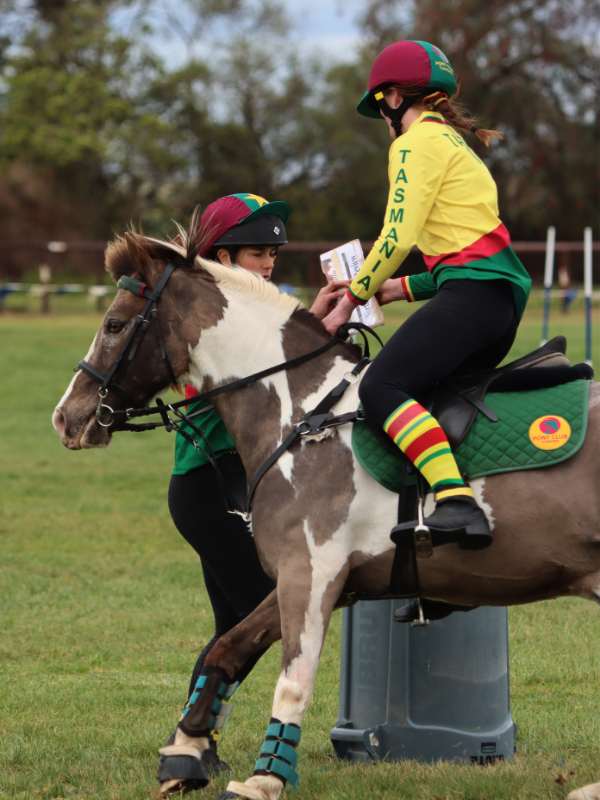
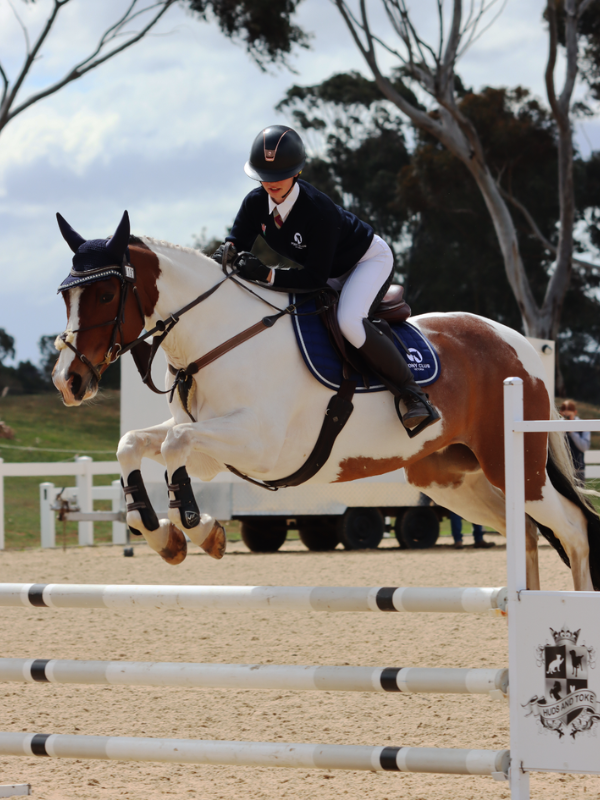
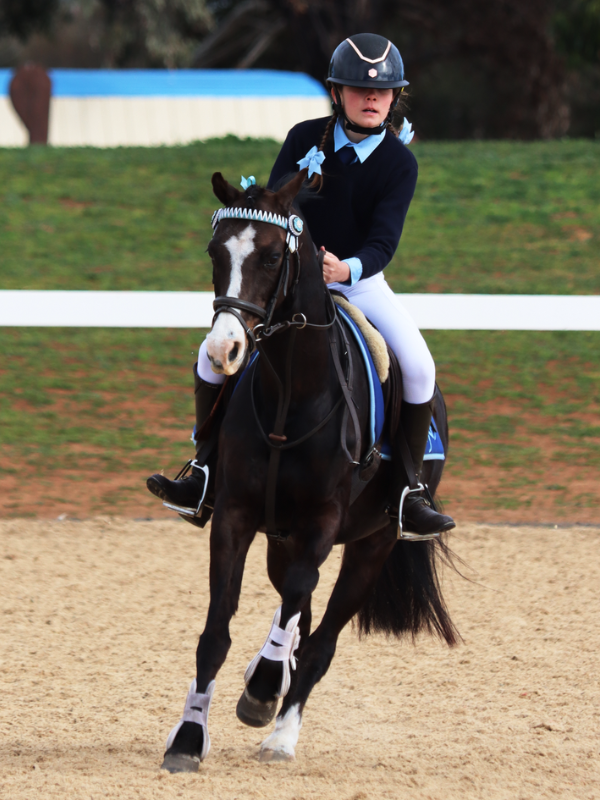
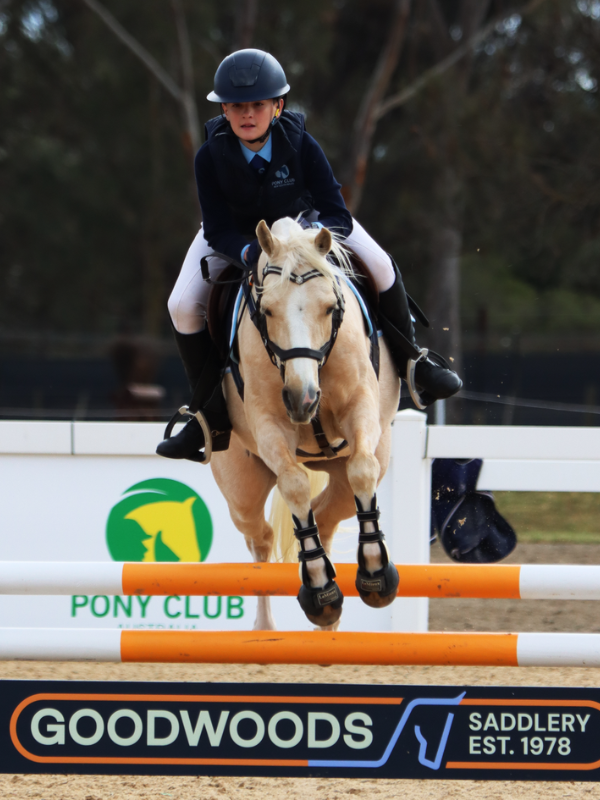
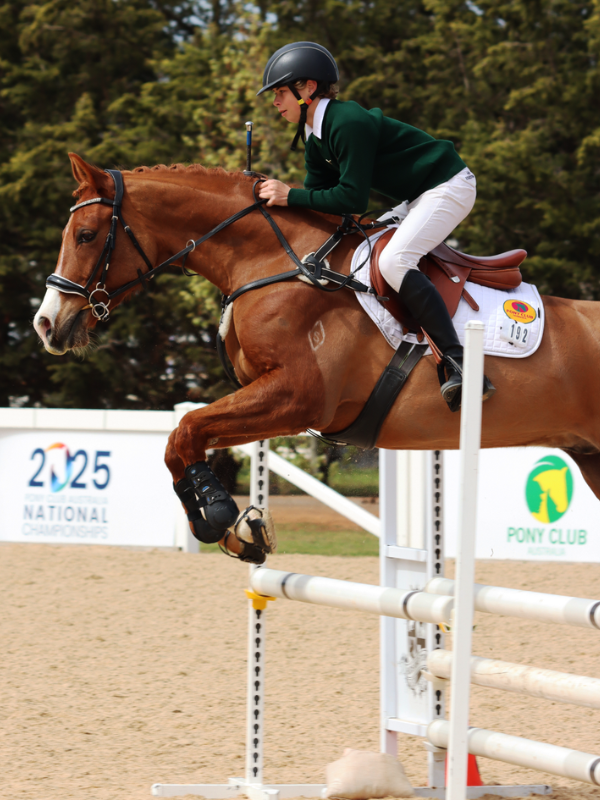
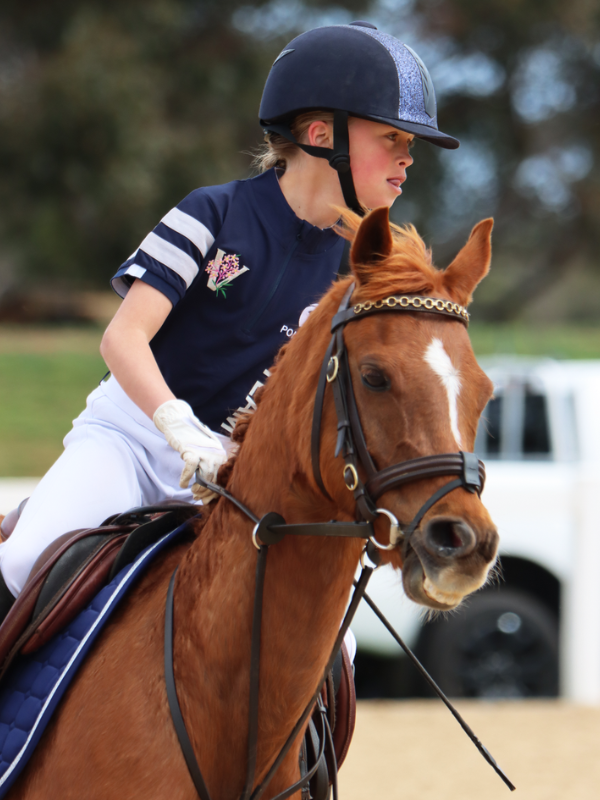
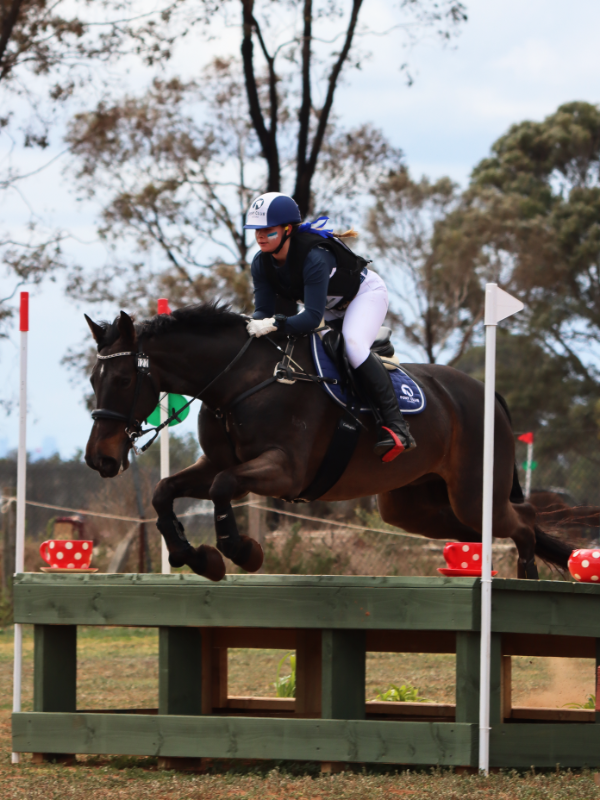
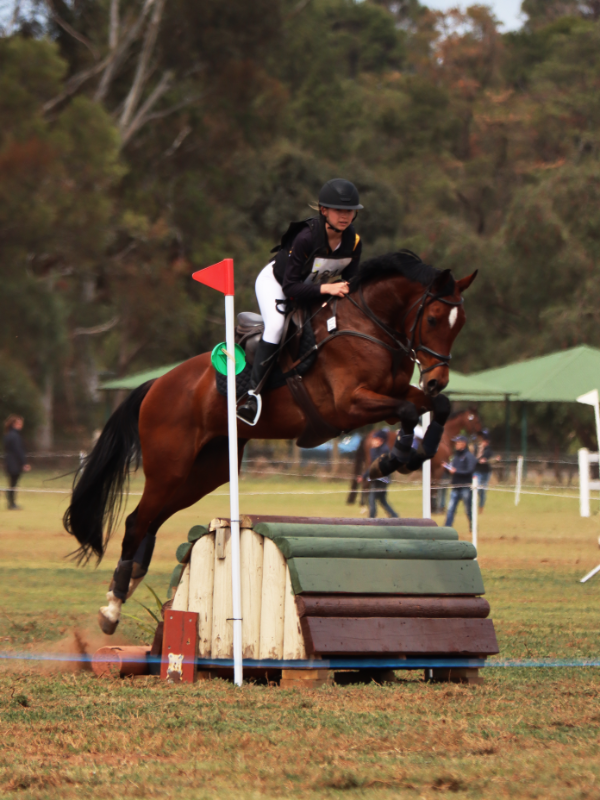
One theme a month, all the way to the start line
From October through to the Nationals, we're walking alongside pony club riders and their horses with practical, feed and fitness focused content each month. Follow the road below to see what's coming and when.
Start where you are
Every horse and rider begins the road from a different point. This month is about assessing the horse in front of you, understanding their current condition and workload, and setting realistic goals before changing feed, supplements or training.
Assessing the horse in front of you
What does my horse weigh?
Knowing your horse's weight is important for determining proper feeding requirements, monitoring overall health and condition, as well as defining correct dosage rates of medications and supplements. There are three ways that we can work out our horse weight: scales, a weight tape, or a weight calculation. If your horse has recently been to the vet, you may have a recent weight recorded from a set of equine scales. Alternatively, you can use a weight tape or weight calculator at home to get a good approximation.
Estimate the weight of your horse with our quick calculator
The most precise method is using a scale, but if that's not available, the Ranvet Horse Weight Calculator provides an easy and reliable alternative. Follow the video above on "How to do a Weight Calculation" and input your results into the calculator below to determine their weight.
Enter measurements
Drag the sliders or type exact figures from your measuring tape.
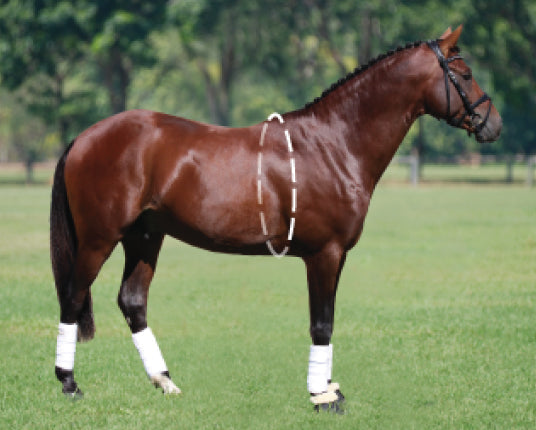
Step 1: Measure your horse's heart girth
Measure your horse's heart girth (circumference) by running the tape measure all the way around your horse 10cm (4") behind its front legs.
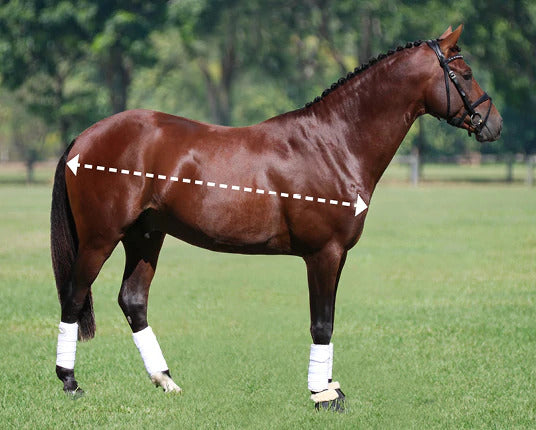
Step 2: Measure your horse's body length
Measure your horse's body length from the point of the shoulder to the point of the buttock in a straight line.
What is my horse's body condition score?
A Body Condition Score (BCS) is an objective ranking system to help determine your horse's overall condition and body coverage. BCS are non-invasive and easy to take. BCS can be recorded on a regular basis to assess any sudden or dramatic changes, which can be an indication of feed imbalances to workload, or further health conditions such as parasites or dental issues.
Download and print a copy of the PCA BCS chart, and keep it handy in your tack room. Practice BCS your horses regularly, and record in their health notes.
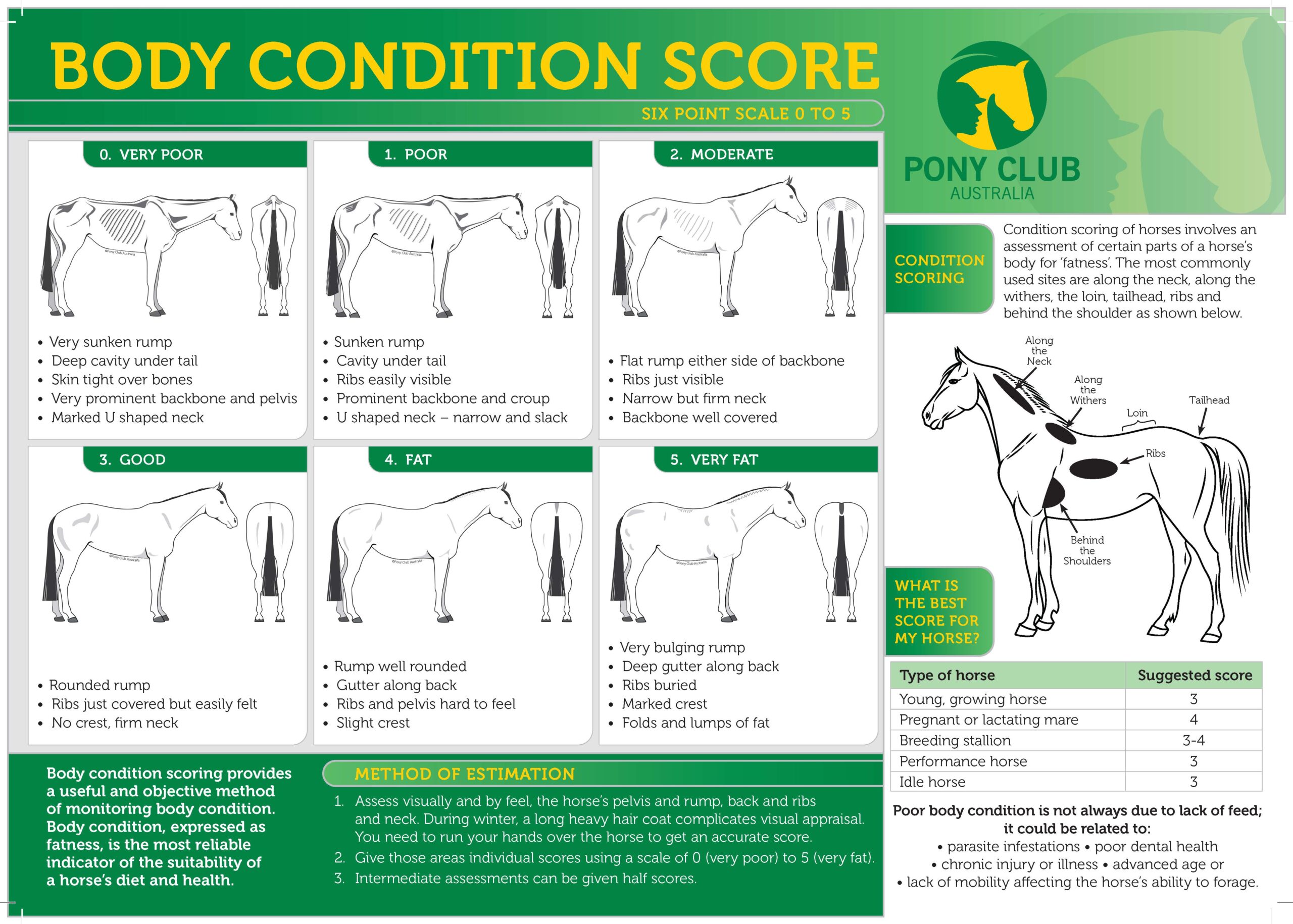 Download Body Score Chart
What is my horse's workload?
Everyone uses different terminology to assess their horse's workload. That is why we refer to the universal definitions set by the National Research Council. These definitions are used to set the appropriate nutritional specifications for horses in such levels of work.
Weighing out my horse's feed
Now we have done all the weighing of our horse, it's time to move to the feed! Weighing out the feed is the most accurate way to describe your horse's ration. Watch the video below for more details!
Feed weighing check list
- Set of scales
- A sturdy dipper, bucket or cup
- A notepad and pen
- Your horse's individual feed ingredients
What is a diet evaluation?
Not sure if your horse's diet is meeting their needs? Well now you have all the information a Ranvet nutrition specialist needs to accurately review your horse's current feeding program. Our nutrition team can make sure everything is looking in order, and recommend adjustments tailored to your horse's workload and condition.
Click the link below to fill out and submit your horse's details.
Ranvet Diet EvaluationAnd with that, you now have an assessment on where your horse is at currently! This will help us in future months with our planning and goal setting. Thanks for taking part in our October topic, we'll see you in November for the next one!